Recovery & Repair
GHK-Cu
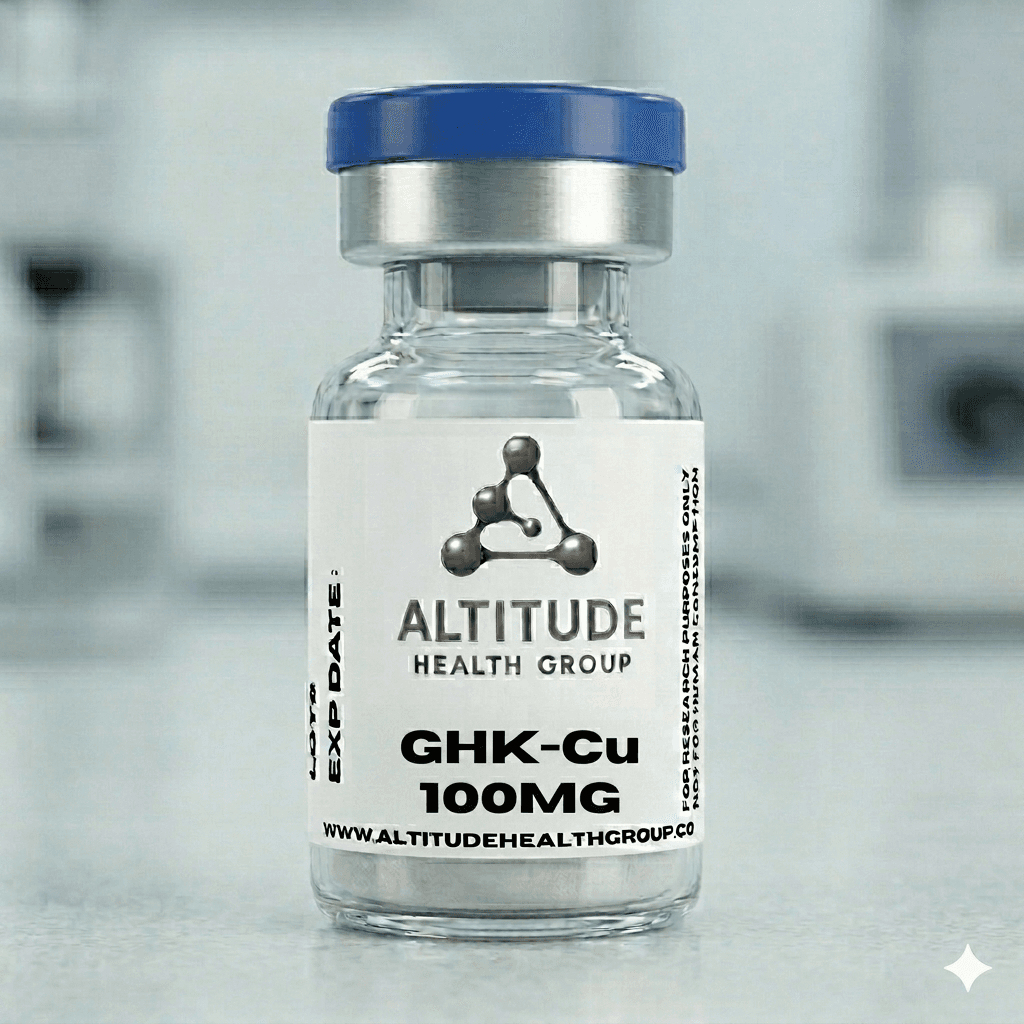
100mg
$119
Copper-binding tripeptide that activates over 4,000 genes involved in tissue regeneration, collagen synthesis, anti-inflammatory signaling, and wound healing.
- Tested by Freedom Diagnostics — independent US lab
- COA published with every lot
- Shipped from the US
For in-vitro research use only. Not for human or veterinary consumption, diagnostic, or therapeutic use.
GHK-Cu (glycyl-L-histidyl-L-lysine copper complex) is a naturally occurring human plasma tripeptide that declines sharply with age — from ~200ng/mL at age 20 to ~80ng/mL by age 60. It acts as a potent tissue remodeling signal, activating genes involved in collagen/elastin synthesis, antioxidant defenses, and anti-inflammatory responses. Loren Pickart's pioneering research identified it as a master regulator of tissue repair.
GHK-Cu binds copper(II) ions and delivers them to tissues where copper-dependent enzymes (lysyl oxidase, superoxide dismutase) require them. It activates TGF-β signaling for collagen synthesis, upregulates decorin and other proteoglycans for matrix remodeling, and downregulates TNF-α and IL-6. Genome-wide analysis shows it modulates over 4,000 human genes, including tumor suppressor pathways.
- Molecular Formula
- C₁₄H₂₃CuN₆O₄
- Molecular Weight
- 403.9 g/mol
- Form
- Lyophilized copper peptide complex
- Solubility
- Freely soluble in water
- Dosage Range
- 1–2mg/kg daily (research context)
- Plasma Half-Life
- ~30–60 minutes (plasma)
- Bioavailability
- ~90% subcutaneous
Certificate of analysis
Independent third-party report for the lot you receive — identity and purity. Available on request with your order; we'll email it back the same business day.
Cold-chain when required
Temperature-sensitive peptides ship with insulation and coolant. Store as indicated on the vial. Stability notes included with the order.
For research only
Sold for in-vitro research and laboratory use. Not for human or veterinary consumption. We don't advise on protocols or dosing.
- [01]
GHK-Cu and gene expression in skin remodeling
Pickart L. & Margolina A. · Biomolecules · 2018
GHK-Cu reset gene expression patterns in aged skin fibroblasts toward a younger phenotype, upregulating 322 genes and downregulating 230.
- [02]
Copper peptide GHK-Cu as a systemic wound healing agent
Pickart L. · Proceedings of the National Academy of Sciences · 1973
GHK-Cu was isolated from human plasma as a potent stimulator of tissue regeneration and collagen synthesis in wound healing assays.
- [03]
GHK tripeptide and anti-inflammatory activity
Canapp S.O. et al. · Wound Repair and Regeneration · 2003
GHK-Cu significantly reduced inflammatory markers and accelerated wound closure in a controlled canine wound healing trial.
More in recovery & repair.
See everything →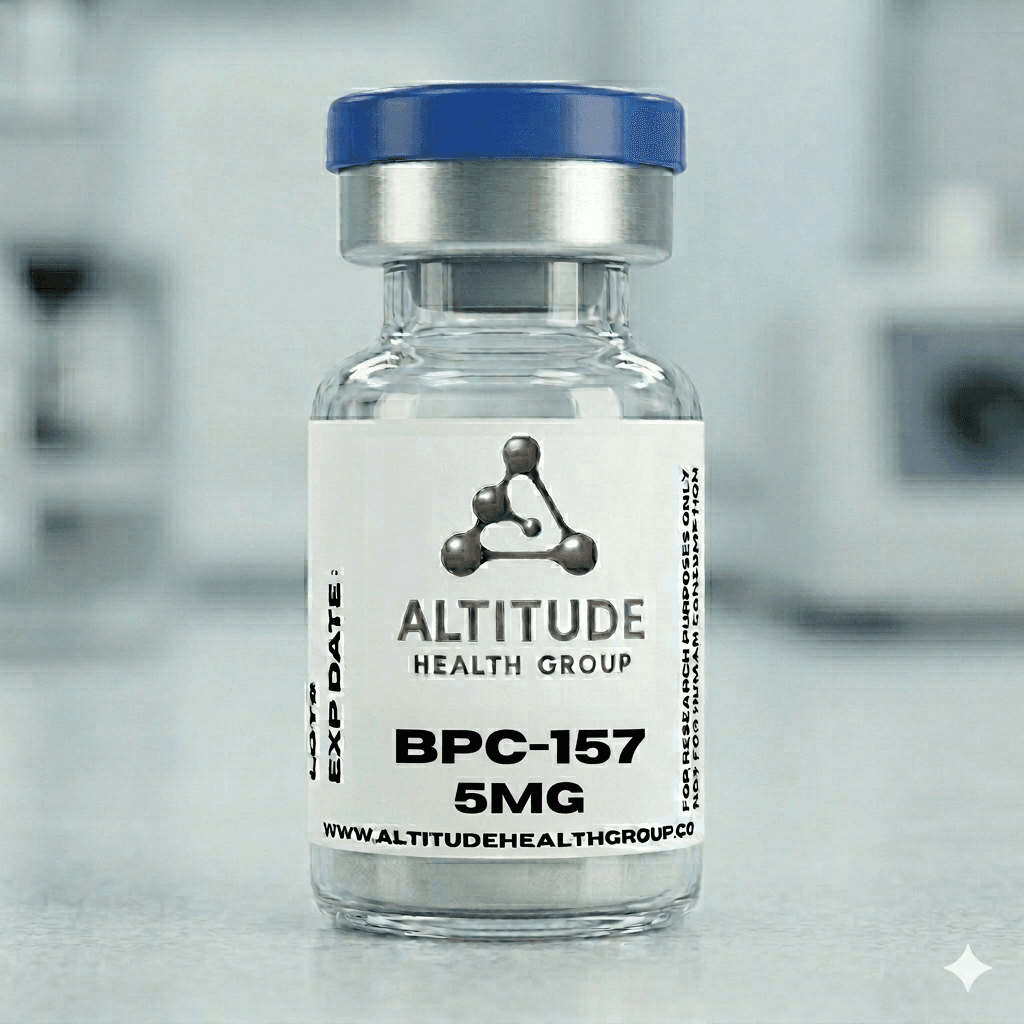
BPC-157
$79Body protective compound derived from gastric juice proteins.
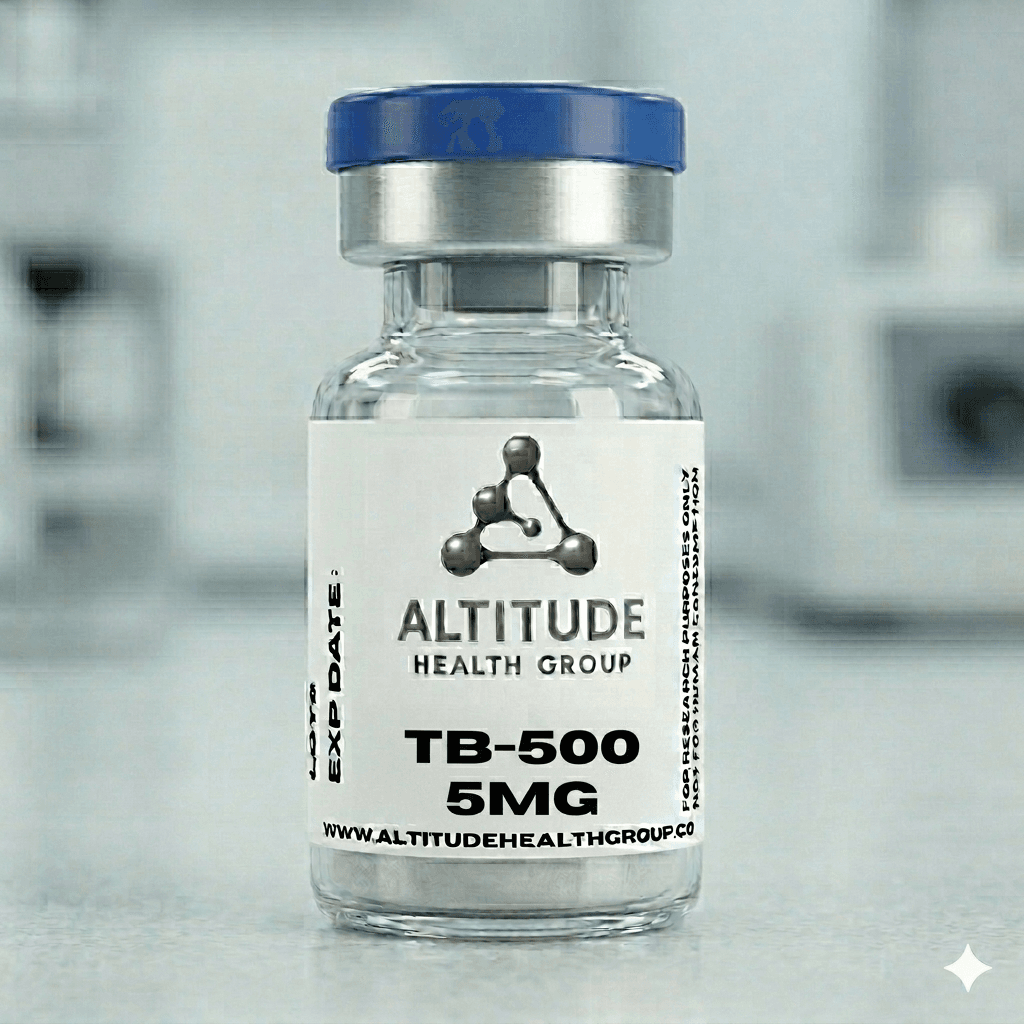
TB-500
$89Synthetic fragment of Thymosin Beta-4 that promotes tissue repair, reduces inflammation, and accelerates healing of muscle, tendon, and ligament injuries.
KLOW
$199Multi-peptide blend combining several synergistic compounds for systemic repair, recovery, and regenerative signaling.