Recovery & Repair
KLOW
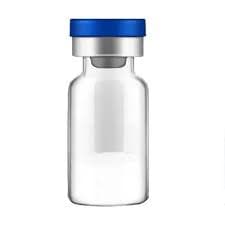
80mg
$199
Multi-peptide blend combining several synergistic compounds for systemic repair, recovery, and regenerative signaling.
- Tested by Freedom Diagnostics — independent US lab
- COA published with every lot
- Shipped from the US
For in-vitro research use only. Not for human or veterinary consumption, diagnostic, or therapeutic use.
KLOW is a multi-peptide blend formulated to combine the regenerative and reparative activity of several individual peptides into a single reconstitution. Each component contributes complementary pathways — ranging from tissue repair and anti-inflammatory signaling to neuroendocrine modulation — intended to produce broader systemic effects than any single peptide delivers on its own.
Mechanism varies by component. The blend is designed so that its peptides act on overlapping and complementary pathways including tissue remodeling, anti-inflammatory cytokine modulation, growth factor signaling, and regenerative cellular responses. Specific mechanistic details depend on final formulation composition.
- Molecular Formula
- Multi-component blend
- Molecular Weight
- Variable by component
- Form
- Lyophilized peptide blend
- Solubility
- Soluble in bacteriostatic water
- Dosage Range
- Per research protocol
- Plasma Half-Life
- Variable by component
- Bioavailability
- High subcutaneous
Certificate of analysis
Independent third-party report for the lot you receive — identity and purity. Available on request with your order; we'll email it back the same business day.
Cold-chain when required
Temperature-sensitive peptides ship with insulation and coolant. Store as indicated on the vial. Stability notes included with the order.
For research only
Sold for in-vitro research and laboratory use. Not for human or veterinary consumption. We don't advise on protocols or dosing.
- [01]
Peptide combination therapies in regenerative research
Various · Research Literature · 2023
Multi-peptide protocols have been investigated in a range of regenerative and recovery contexts, with individual components contributing complementary signaling effects.
More in recovery & repair.
See everything →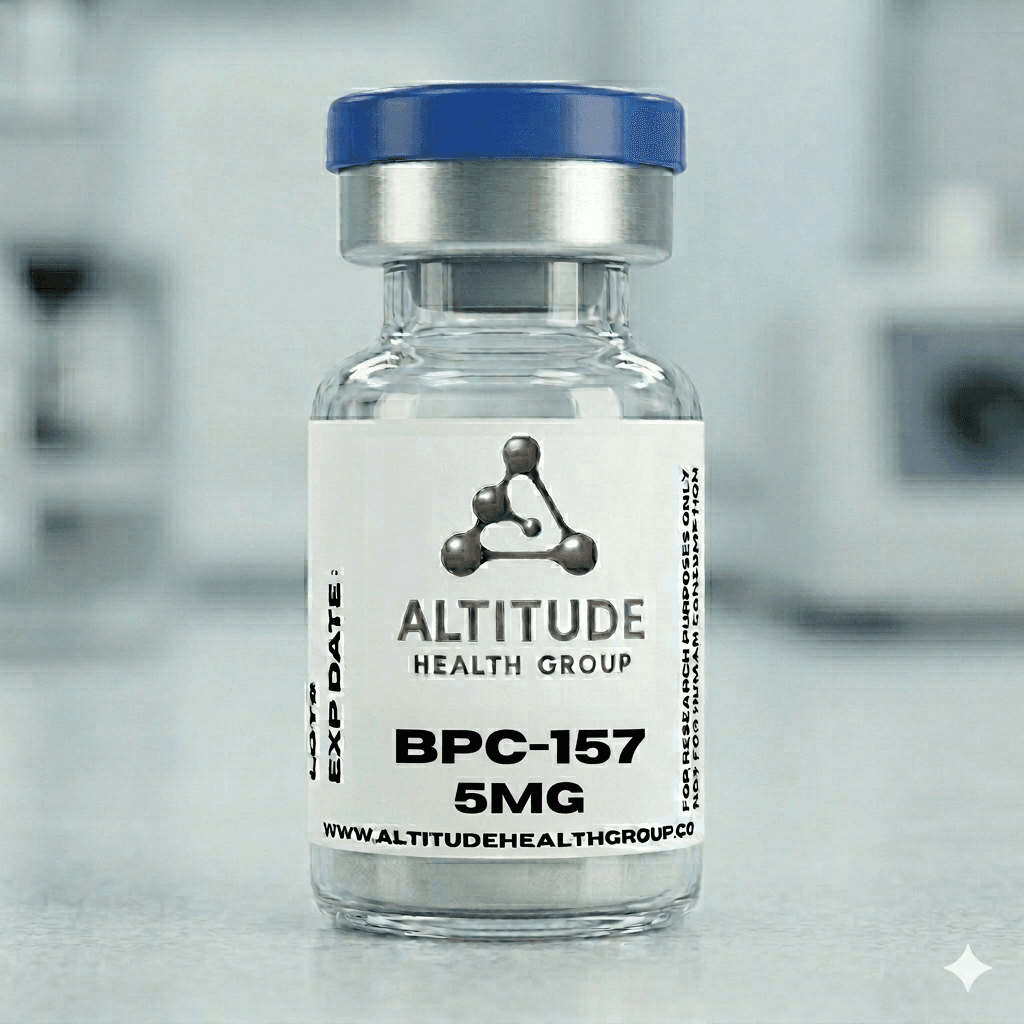
BPC-157
$79Body protective compound derived from gastric juice proteins.
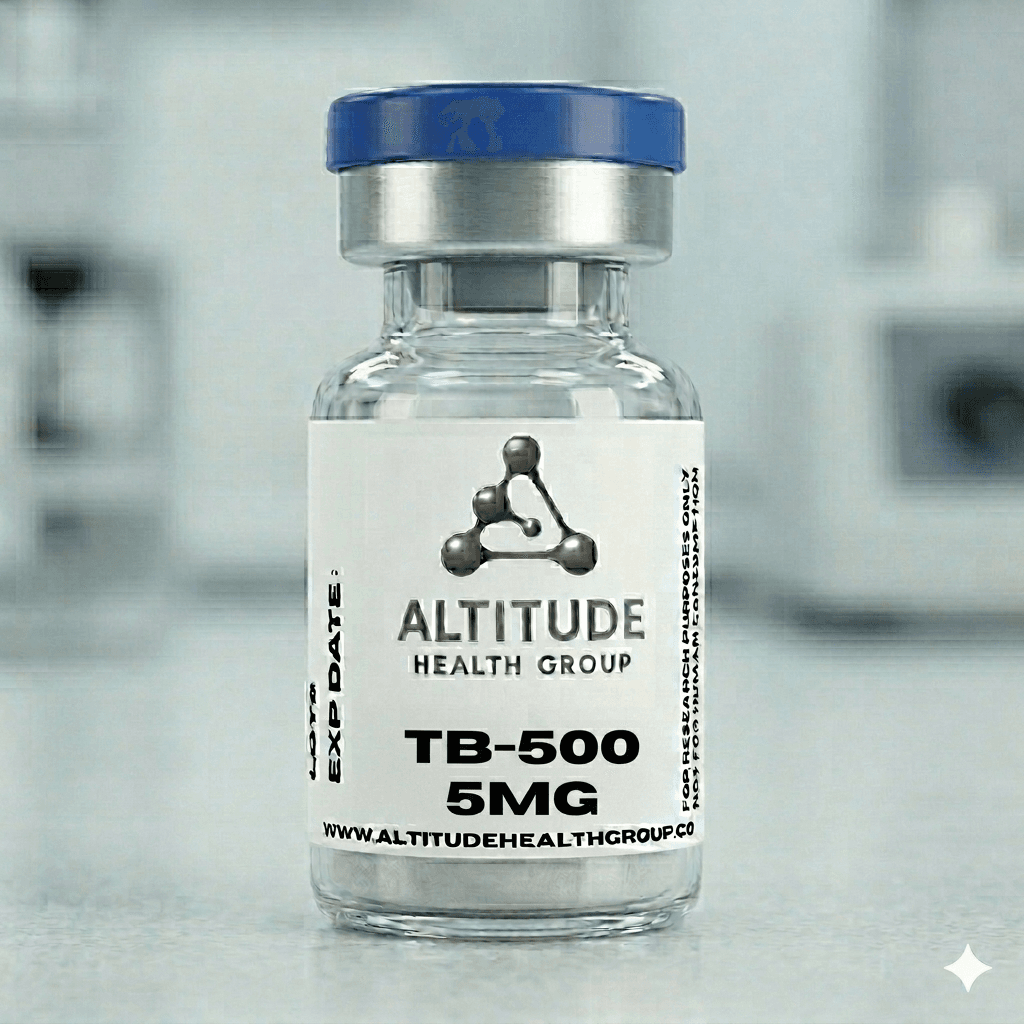
TB-500
$89Synthetic fragment of Thymosin Beta-4 that promotes tissue repair, reduces inflammation, and accelerates healing of muscle, tendon, and ligament injuries.
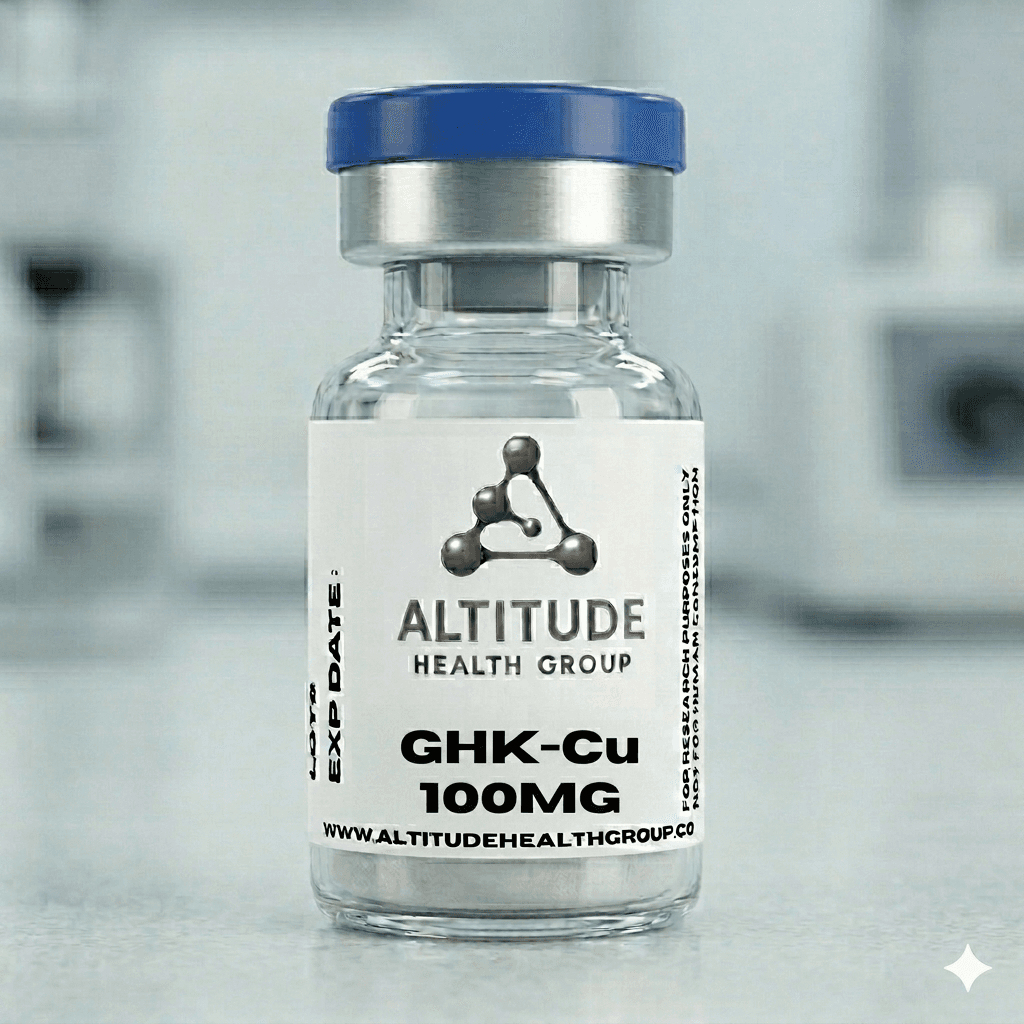
GHK-Cu
$119Copper-binding tripeptide that activates over 4,000 genes involved in tissue regeneration, collagen synthesis, anti-inflammatory signaling, and wound healing.